

Are Brass Door Knobs Really Brass
Exploring the Truth: Are Brass Door Knobs Really Brass?
Brass doorknobs have long been a staple in households and buildings, valued not only for their classic appearance but also their durability. As you grasp these fixtures daily, it might spark curiosity about their true composition. Are these frequently touched objects genuinely crafted from solid brass, or is there more to their allure than meets the eye? Delving into the materials and manufacturing processes behind these ubiquitous items can reveal some surprising facts, uncovering whether the tradition of brass doorknobs is rooted in authenticity or merely in aesthetic appeal.
This page supports our content about metallic bars and you can find other in-depth information about What are the benefits of brass door handles by following this link or answers to related questions like What is the best thing to clean brass with if you click here.

Before we delve into the frequently asked questions about brass doorknobs, it’s important to note that their construction can vary significantly from other common household items, such as metallic bars, which often sparks further curiosity.
FEATURED PRODUCTS

FINGERTIP DESIGN
Fingertip Design FTD555 Cup Cabinet Drawer Pull – Satin Nickel
£2.98 inc. VAT
RRP £4.16 inc. VAT | Save 28%

CARLISLE BRASS
Carlisle Brass FTD710 Lines Cabinet Pull Handles – Satin Brass
From £16.12 inc. VAT
RRP £22.56 inc. VAT | Save 29%

NERO
Frelan Nero Knurled Door Handles On Backplate – Matt Black
From £35.15 inc. VAT
RRP £49.21 inc. VAT | Save 29%
SCRINGNO
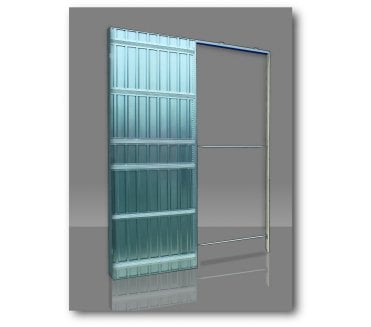
Scrigno S-Tech Quick-Fix Pocket Door Cassette System – For Single Doors
£346.80 inc. VAT
RRP £435.12 inc. VAT | Save 20%
Are brass fixtures going out of style?
Brass fixtures have a timeless appeal that often withstands changing trends, making them a popular choice for those who appreciate vintage and antique aesthetics. While modern design trends may occasionally shift towards different finishes, brass is frequently valued for its warm tones and classic look. Its versatility ensures that it remains a fashionable option in many settings. Moreover, antiques with brass elements can often appreciate in value, sometimes fetching higher prices in the market, especially when valued in pounds. Overall, brass fixtures maintain a steady presence in both contemporary and traditional designs.
How can you tell the difference between real brass and fake brass?
To distinguish between real brass and fake brass in door handles, there are several simple tests you can conduct. Real brass is a metal alloy made primarily of copper and zinc, so it is not magnetic. You can use a magnet to test the handle; if the magnet sticks, the handle is likely not solid brass. Additionally, real brass will typically develop a natural patina over time, whereas fake brass, often a coating over another metal, may show wear or chipping if scratched. The weight of the handle can also be a clue; real brass is generally heavier and more substantial. If you’re considering a high-quality purchase, it might be worth consulting with a professional or investing in authentic pieces, as they often hold their value better in the market, both in craftsmanship and resale potential, sometimes fetching higher prices in pounds.
Do brass doorknobs clean themselves?
Brass doorknobs are known to have natural antimicrobial properties due to the copper content in brass, which can reduce the presence of certain bacteria and viruses on their surface over time. However, this does not mean they are entirely self-cleaning. Regular cleaning and maintenance are still necessary to ensure they remain hygienic and retain their aesthetic appeal. Using a soft cloth and a mild cleaning solution can help maintain their shine and effectiveness. While these properties add value, they do not replace the need for manual cleaning, especially in high-use areas.
Can germs survive on brass?
Germs can survive on brass surfaces, but typically for a shorter duration compared to many other materials. Thanks to the copper content in brass, these door handles have natural antimicrobial properties that help reduce the survival time of certain bacteria and viruses. While this does not eliminate all germs instantly, it does make brass a more hygienic option compared to some other materials. Regular cleaning is still important to maintain both its aesthetic and hygienic qualities. This added health benefit can be a selling point when considering the value of brass fixtures, contributing to their worth in pounds.
Why do they make door handles out of brass?
Door handles are often made from brass due to its excellent combination of durability, corrosion resistance, and aesthetic appeal. Brass does not rust and can withstand frequent use, making it an ideal material for high-contact items like door handles. Additionally, its warm, golden hue adds a classic touch to any decor. Moreover, brass has natural antimicrobial properties, helping to reduce the presence of germs on its surface. These qualities make it a practical and attractive option, adding value to properties and often reflecting well in their market appeal, sometimes enhancing their worth in pounds.
Is Bright brass out of style?
Bright brass door handles have a classic appeal that has weathered various design trends over the years. While interior design preferences can shift towards more muted or alternative finishes like matte black or brushed nickel, bright brass remains a timeless option for those seeking a traditional or vintage aesthetic. It offers a warm, inviting look that complements many styles and can still be considered fashionable depending on the overall decor. Ultimately, the popularity of bright brass can vary, but it maintains a solid presence due to its enduring charm and versatility, which can enhance property value in pounds.
How can you tell if brass is brass?
To determine if a door handle is truly brass, you can perform a few simple tests. First, a magnet test: real brass is not magnetic, so if a magnet sticks to the handle, it’s likely another metal coated to look like brass. Second, check for patina: real brass develops a natural, unique patina over time, unlike brass-plated items, which may show chipped or worn coating. Finally, consider the weight; solid brass is heavier compared to alternatives. For a more conclusive assessment, a professional appraisal can confirm its authenticity, which can be particularly worthwhile given the potential value impact in pounds.
Does brass turn a different color?
Yes, brass door handles can change colour over time due to oxidation. This natural process results in a patina, often giving brass a darker, more antique appearance, which some people find desirable for its character and vintage charm. Regular polishing can maintain its original shine if a brighter look is preferred. The change in colour doesn’t affect the functionality of brass, but it can influence its aesthetic appeal and value, both of which are considerations when evaluating its worth in pounds.
In conclusion, the question Are brass door knobs really brass? invites curiosity into the world of materials that shape our everyday lives. While appearances can sometimes be deceiving, understanding the composition and craftsmanship behind these fixtures offers valuable insight into their longstanding popularity. Whether they are made from solid brass or a combination of metals, brass doorknobs continue to hold their charm due to their aesthetic qualities and durability. As you consider the role these metallic wonders play in your home or workplace, you’ll gain a greater appreciation for the blend of tradition and innovation they represent.
Curious about the authenticity of brass door knobs and ready to find the perfect fit for your home? Call Handles4Homes at 0118 982 9170 today to get expert advice and explore our wide selection of quality door hardware!

Comments are closed here.