

How Do You Tell If You Need A Right Or Lefthanded Door Handle
Mastering Door Functionality: Choosing Between Right and Left-Handed Handles
When it comes to selecting the right door handle for your home or office, understanding whether you need a right or left-handed option can make all the difference. Although it might seem like a small detail, choosing the correct handle can greatly impact both the functionality and aesthetic harmony of your doors. This decision depends on several factors, including the direction your door swings open and the overall layout of your space. Whether you are embarking on a home renovation or simply replacing an existing handle, getting to grips with this seemingly simple yet crucial detail ensures that your door operates smoothly and enhances the look and feel of your environment. Let’s delve into the key considerations to help you make the right choice.
This page supports our content about internal door handles and you can find other in-depth information about What is the best material for internal door handles by following this link or answers to related questions like Can you just replace door knobs if you click here.

With a clear understanding of door handle orientation, it’s time to explore some frequently asked questions that will further aid in choosing the perfect internal door handles for your space.
FEATURED PRODUCTS

FINGERTIP DESIGN
Fingertip Design FTD555 Cup Cabinet Drawer Pull – Satin Nickel
£2.98 inc. VAT
RRP £4.16 inc. VAT | Save 28%

CARLISLE BRASS
Carlisle Brass FTD710 Lines Cabinet Pull Handles – Satin Brass
From £16.12 inc. VAT
RRP £22.56 inc. VAT | Save 29%

NERO
Frelan Nero Knurled Door Handles On Backplate – Matt Black
From £35.15 inc. VAT
RRP £49.21 inc. VAT | Save 29%
SCRINGNO
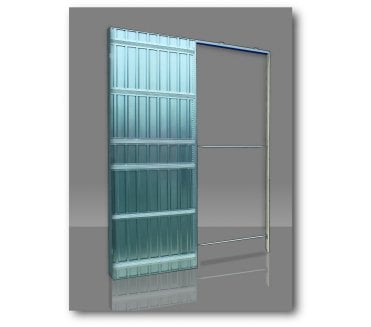
Scrigno S-Tech Quick-Fix Pocket Door Cassette System – For Single Doors
£346.80 inc. VAT
RRP £435.12 inc. VAT | Save 20%
Do bathroom fixtures need to match door handles?
Bathroom fixtures and internal door handles do not necessarily need to match, but coordinating them can create a cohesive look. While matching can enhance visual harmony, mixing finishes is also a popular design choice that adds character. It’s important to consider your overall style and personal preference. Ultimately, choose what fits your aesthetic and budget, as both approaches can work beautifully, whether you prefer a unified look or an eclectic mix. Prices for handles can vary, starting from around £10, so there’s plenty of flexibility to meet your design needs.
What side of the door should switches be on?
Light switches are typically installed on the side of the door handle to allow easy access when entering a room. This placement ensures that you can turn on the lights as soon as you enter, preventing unnecessary fumbling in the dark. Additionally, for convenience, the switch should be mounted at a comfortable height, generally about 120-140 cm from the floor. This standard practice promotes ease of use and an intuitive design within your space.
Should door handles be the same throughout the house?
Door handles do not have to be the same throughout the house, but maintaining a consistent style can create a sense of unity and cohesion. Using similar designs or finishes can help tie different areas together, enhancing the overall aesthetic flow. However, mixing styles can add unique character and distinguish different spaces, especially if you have varied interior themes. Ultimately, the choice depends on your personal preference, budget, and the desired look for your home. With prices starting from around £10 per handle, you have flexibility to explore various options.
Are all interior door knobs the same size?
Not all interior door knobs are the same size. While there are standard sizes for door knobs, which typically fit most doors, variations do exist to accommodate different design preferences and door specifications. It’s important to measure your door’s existing hole and the thickness before purchasing knobs to ensure a proper fit. Prices for door knobs vary, starting from around £10, allowing for both standard and unique options based on your needs.
Should a light switch be behind the door?
Ideally, a light switch should not be positioned behind a door, as this can make it inconvenient to access, especially when entering a room. It is best to place the switch on the wall closest to the door handle side, ensuring easy reach and usability as soon as you enter. This arrangement promotes functionality and a seamless user experience within your space.
Why are light switches next to the door?
Light switches are typically placed next to the door to provide convenient access upon entering a room. This logical positioning allows you to easily turn the lights on or off without having to navigate through a dark space. It enhances both the functionality and safety of the room by ensuring that lighting control is immediately available as you come in, aligning with intuitive design principles.
In conclusion, selecting the right door handle involves more than just aesthetics; it requires an understanding of functionality and design that aligns with your specific needs. By considering factors such as the direction your door swings and the layout of your space, you can make an informed decision that enhances both the usability and appearance of your doors. Remember, asking the question How do you tell if you need a right or left-handed door handle? is a vital step in this process. Armed with the knowledge from our FAQs and guidance on internal door handles, you can confidently choose the perfect handle that seamlessly fits into your environment.
If you’re uncertain about choosing the right or left-handed door handle for your space, call Handles4Homes at 0118 982 9170 for expert advice and assistance today!

Comments are closed here.