

Is There Lead In Brass Door Knobs
Safeguarding Your Home: Understanding Lead Presence in Brass Door Knobs and Metallic Bars
In today’s world, concerns about health and safety are more paramount than ever, particularly when it comes to the materials used in everyday objects within our homes. One such object that has come under scrutiny is the humble door knob, an item that many of us touch countless times a day without a second thought. Specifically, there is rising curiosity about the composition of brass door knobs and whether they might contain lead, a toxic element known for its potential health risks. Understanding the materials used in brass door knobs is crucial for making informed decisions about the safety and sustainability of our living spaces. In this article, we delve into the qualities of brass, exploring the presence of lead and what that means for our homes and health.
This page supports our content about metallic bars and you can find other in-depth information about How to restore brass door handles by following this link or answers to related questions like Do brass handles get hot if you click here.

As we explore the potential presence of lead in brass door knobs, it’s essential to consider similar questions about other household items, including metallic bars, which also play a significant role in our daily environments. Let’s delve into some frequently asked questions to shed light on these important concerns.
FEATURED PRODUCTS

FINGERTIP DESIGN
Fingertip Design FTD555 Cup Cabinet Drawer Pull – Satin Nickel
£2.98 inc. VAT
RRP £4.16 inc. VAT | Save 28%

CARLISLE BRASS
Carlisle Brass FTD710 Lines Cabinet Pull Handles – Satin Brass
From £16.12 inc. VAT
RRP £22.56 inc. VAT | Save 29%

NERO
Frelan Nero Knurled Door Handles On Backplate – Matt Black
From £35.15 inc. VAT
RRP £49.21 inc. VAT | Save 29%
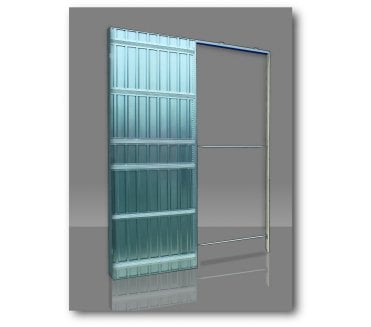
SCRINGNO
Scrigno S-Tech Quick-Fix Pocket Door Cassette System – For Single Doors
£346.80 inc. VAT
RRP £435.12 inc. VAT | Save 20%
Are brass door handles safe?
Brass door handles are generally safe to use, as brass is a durable and widely used material. However, some brass products may contain small amounts of lead as part of their alloy composition. It’s important to purchase from reputable manufacturers that adhere to safety standards. If you’re concerned about lead, look for certified lead-free options, which may be slightly more expensive, typically adding only a few pounds to the cost, but offer greater peace of mind. Additionally, regular cleaning and maintenance can help ensure the long-term safety and functionality of your brass door handles and any associated metallic catches.
Can brass expose you to lead?
Yes, brass can potentially expose you to lead, as some brass alloys include lead to improve malleability and machining. For items like brass door handles, the amount of lead is typically minimal and generally not a health risk under normal use. However, if you’re concerned, opt for lead-free certified handles, which may cost a few pounds more, to ensure maximum safety. Regular cleaning with mild products can also help minimise any potential exposure.
How can you tell if brass is lead free?
To determine if brass is lead-free, you can check for product labels or certifications that explicitly state it is lead-free or compliant with safety standards like RoHS. Additionally, purchasing copper grips from reputable suppliers who provide material specifications can help ensure they are lead-free. Although lead testing kits are available, they cost a few pounds and offer another way to confirm the absence of lead yourself. Always look for trusted brands and transparent information to make informed choices.
Is brass toxic to handle?
Brass door handles are generally not toxic to handle under normal use, as brass is a safe and durable material commonly used for hardware. While some brass may contain small amounts of lead, the exposure risk during everyday handling is minimal. For added peace of mind, consider choosing lead-free certified options, which may cost a few pounds more but ensure even greater safety. Regular cleaning can help maintain the handles and minimise any potential risks.
Does 100% brass have lead in it?
By definition, 100% brass should not contain lead, as brass is primarily an alloy of copper and zinc. However, in practice, most brass used in door handles may include small amounts of lead to improve its workability. If you’re looking for brass door handles without any lead content, you should specifically look for those labelled as lead-free, which might cost a few pounds more. Always check product details or consult with the supplier for assurance on lead content.
How can you tell if a door knob is brass?
To determine if a door knob is brass, you can start by examining its colour and weight; brass typically has a warm, golden hue and a solid, hefty feel. Additionally, you can try a magnet test, as brass is non-magnetic-if the magnet doesn’t stick, it might be brass. For confirmation, look for any markings or labels indicating the material. If you’re still uncertain, consulting with the seller or using a small testing kit, available for a few pounds, can help confirm the material.
Are brass fixtures safe?
Brass fixtures, including metallic bars, are generally safe for use, as brass is a durable and widely used material. Some brass products might contain small amounts of lead, but under normal circumstances, the exposure risk is minimal. For those concerned about safety, opting for lead-free certified fixtures can provide added peace of mind, often at a slightly higher cost, typically just a few pounds more. Regular maintenance and cleaning also help ensure the longevity and safety of brass fixtures.
How much lead is in brass fittings?
Brass fittings, including metal catches, often contain a small amount of lead, typically around 1-3%, which is added to improve machinability and casting. However, the exact percentage can vary depending on the specific alloy and manufacturer. If you’re concerned about lead content, you can look for lead-free certified fittings, which are designed to have negligible or no lead, usually at a slightly higher price, often just a few pounds more. Always check product specifications or consult with the supplier for precise information on lead content.
Is modern brass lead free?
Modern brass used in alloy twists may still contain small amounts of lead to enhance workability, but there is a growing availability of lead-free options. The presence of lead in brass can vary, so if lead content is a concern, look for products specifically labelled as lead-free. These lead-free brass products might be priced slightly higher, often just a few pounds more. Always review product descriptions or consult the supplier to ensure you are obtaining lead-free materials.
Does brass leak lead?
Brass door handles can contain small amounts of lead, but under normal conditions, they do not leak lead. The risk of lead exposure from handling is minimal. If you’re concerned about lead content, opting for lead-free brass door handles can provide additional peace of mind. These options may cost a few pounds more but ensure greater safety. Regular cleaning and maintenance help keep all fixtures safe for use.
Does touching brass expose you to lead?
Touching brass door handles is unlikely to significantly expose you to lead, as the lead content in brass is typically low and not easily transferred through casual contact. For added assurance, you can choose lead-free brass options, which might cost a few pounds more but offer greater safety. Regular cleaning of door handles can also help maintain their safety and hygiene.
Is lead still used in brass?
Yes, lead is still sometimes used in brass, including metal catches, to improve machinability. Typically, it is present in small amounts, around 1-3%. However, with increasing health and safety standards, lead-free brass options are becoming more common. These may come at a slightly higher cost, likely just a few pounds more, but are preferable for those concerned about lead exposure. Always check product details for lead content or certifications.
Are brass knobs safe?
Brass knobs and metal catches are generally safe for everyday use, as the brass used in them typically has very low levels of lead, which poses minimal risk under normal handling. For those prioritising safety, selecting lead-free certified brass products can offer additional peace of mind, often at a slightly higher cost, usually just a few pounds more. Regular upkeep and cleaning further ensure their safety and longevity.
How to know if brass has lead?
To know if brass in metallic bars contains lead, check for labels or certifications that indicate lead-free status. Purchasing from reputable suppliers who provide detailed material specifications can also help ensure safety. If needed, you can use a lead testing kit, which is available for a few pounds, to test the bars yourself. Always review product information or consult with the manufacturer for clarity on lead content.
What grade of brass is lead free?
For brass door handles that are lead-free, look for brass alloys such as C69300 and C87850, as these are specifically designed to be lead-free and comply with stricter safety standards. Such alloys may come at a slightly higher cost, typically just a few pounds more, but offer the assurance of being free from lead content. Always check product specifications or consult with the supplier to ensure you are purchasing lead-free options.
Is it safe to touch brass?
It is generally safe to touch brass, even in antique mechanisms, as the risk of lead exposure from handling is minimal. However, if the mechanisms are old, they may contain higher levels of lead. For added safety, consider handling them with care and washing your hands afterwards. If concerned, you can invest in lead-free alternatives, which might cost a few pounds more, or consult an expert to assess the lead content in antique items.
In conclusion, the question Is there lead in brass door knobs? reflects broader concerns about the materials we come into contact with daily and their implications for our health and safety. While brass remains a popular choice for its durability and appearance, it’s crucial to be informed about potential risks such as lead content. By staying informed and choosing products wisely, we can create safer and more sustainable living spaces. As you consider the various elements in your home, from door knobs to metallic bars, remember that knowledge is a powerful tool in ensuring a healthy environment for you and your loved ones.
Concerned about lead in brass door knobs? Contact Handles4Homes at 0118 982 9170 for expert advice and a selection of safe, high-quality door hardware.

Comments are closed here.