

What Are The Disadvantages Of Brass Door Handles
Understanding Brass Door Handles: Weighing Their Pros and Cons
Brass door handles have long been a classic choice for homeowners and interior designers alike, admired for their timeless elegance and durability. However, as with any material, they are not without their shortcomings. While the warm hues and reassuring weight of brass can add a touch of sophistication to any space, it is important to consider the potential drawbacks before making a selection. Understanding the disadvantages of brass door handles can help you make an informed decision and ensure that your choice aligns perfectly with both your aesthetic preferences and practical needs.
This page supports our content about brass door handles and you can find other in-depth information about Do door handles have more bacteria than toilet by following this link or answers to related questions like What are the benefits of brass handles if you click here.

Having explored the allure and potential drawbacks of brass door handles, let’s delve into some frequently asked questions to provide further clarity on this popular choice.
FEATURED PRODUCTS

FINGERTIP DESIGN
Fingertip Design FTD555 Cup Cabinet Drawer Pull – Satin Nickel
£2.98 inc. VAT
RRP £4.16 inc. VAT | Save 28%

CARLISLE BRASS
Carlisle Brass FTD710 Lines Cabinet Pull Handles – Satin Brass
From £16.12 inc. VAT
RRP £22.56 inc. VAT | Save 29%

NERO
Frelan Nero Knurled Door Handles On Backplate – Matt Black
From £35.15 inc. VAT
RRP £49.21 inc. VAT | Save 29%
SCRINGNO
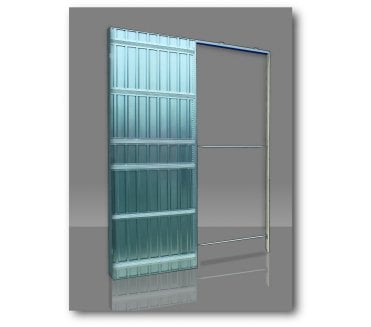
Scrigno S-Tech Quick-Fix Pocket Door Cassette System – For Single Doors
£346.80 inc. VAT
RRP £435.12 inc. VAT | Save 20%
Do door handles have more bacteria than toilet?
Door handles, including those made of brass, can harbour significant amounts of bacteria due to frequent contact with hands. In fact, studies have shown that door handles can sometimes carry more bacteria than a toilet seat, which tends to be cleaned more regularly. However, brass door handles have a natural antibacterial property, as the copper in brass can kill bacteria over time. Despite this, regular cleaning is still recommended to ensure hygiene and minimise bacterial presence. Investing in brass door handles could potentially cost anywhere from £10 to £50 per handle, depending on design and quality, offering both aesthetic appeal and some antibacterial benefits.
Does brass last longer than stainless steel?
When considering metal catches, stainless steel generally offers greater longevity and durability compared to brass. Stainless steel is highly resistant to corrosion, rust, and wear, which makes it an ideal choice for high-moisture environments or areas with frequent use. Brass, while durable, is more prone to tarnishing and requires regular maintenance to keep its appearance. However, brass does offer aesthetic appeal and antimicrobial properties. Metal catches in either material can vary in price, with stainless steel options usually costing around £5 to £20 each, depending on the design and quality.
Should all my door knobs match?
Whether all your door knobs should match depends largely on your personal style and the overall aesthetic you want for your home. Matching brass door handles throughout can create a cohesive and elegant look, complementing traditional and classic interiors. However, mixing different styles, including brass, in various rooms can add visual interest and suit a more eclectic or modern design. Brass door handles typically range from £10 to £50 each, so your budget might also influence whether you opt for a uniform look or mix and match. Ultimately, it’s about creating a home environment that reflects your taste and design preferences.
What are the weaknesses of brass?
Brass, when used for metal catches, has a few weaknesses to consider. It is more prone to tarnishing and discolouration over time, especially in humid or corrosive environments, requiring regular maintenance to maintain its appearance. Brass is also softer than materials like stainless steel, which can make it more susceptible to wear, scratches, and dents with frequent use. Despite these drawbacks, brass offers a classic aesthetic and antimicrobial properties. Prices for brass metal catches typically range from £5 to £15 each, depending on the style and finish.
Is polished brass out of style?
Polished brass has experienced a resurgence in popularity and is often used to add a touch of vintage charm or elegance to interiors. While some may view it as more traditional, its appeal largely depends on personal taste and the style of the space. When considering copper grips, which often have a similar warm tone to polished brass, they can complement a wide range of decor styles, from classic to contemporary. Copper grips generally cost between £10 and £40 each, offering a stylish and versatile option for those looking to incorporate metal finishes into their design.
Does WD 40 protect brass?
WD-40 can provide temporary protection for brass, such as antique mechanisms, by displacing moisture and preventing corrosion. However, it is not specifically designed for long-term protection or polishing. For antique brass mechanisms, occasional use of a dedicated brass cleaner and polish is recommended to maintain their appearance and functionality. Keeping brass mechanisms clean and free from moisture is key to preserving their condition. Antique brass mechanisms often hold both aesthetic and historical value, and maintaining them properly can help retain their worth. Prices for antique mechanisms can vary greatly, often costing anywhere from £50 to several hundred pounds, depending on their rarity and craftsmanship.
How do you protect brass door hardware?
To protect brass door hardware, such as metallic bars, regular cleaning and maintenance are essential. Clean the brass with a soft cloth and mild soapy water to remove dirt and oils. For added protection and shine, use a brass polish to prevent tarnish and maintain its lustre. Applying a thin coat of wax or a clear lacquer can also help protect the surface from oxidation and wear. Ensuring the metal is dry after cleaning will further prevent corrosion. Metallic bars, often ranging from £10 to £50 depending on their style and quality, will benefit from consistent upkeep to retain their aesthetic appeal and durability.
Why is brass better than zinc?
Brass is often considered better than zinc for metal catches because it offers greater durability, resistance to corrosion, and aesthetic appeal. Brass has natural antimicrobial properties, making it ideal for frequently touched surfaces. It also provides a classic look that suits various design styles. While zinc is more affordable and lightweight, it is less durable over time and can corrode more easily. Brass metal catches typically cost between £5 and £15 each, offering a balance of style, longevity, and functionality.
How long do brass fixtures last?
Brass fixtures, such as brass door handles, are known for their durability and can last several decades with proper care and maintenance. Regular cleaning and occasional polishing can help preserve their appearance and prevent tarnishing. The longevity of brass is also attributed to its resistance to corrosion. Brass door handles typically range in price from £10 to £50 each, depending on style and quality, making them a long-lasting investment for your home.
Is brushed brass going out of style?
Brushed brass is not going out of style; in fact, it remains a popular choice for its understated elegance and warm, matte finish. Brass door handles with a brushed finish can complement both modern and traditional interiors, offering a versatile and timeless appeal. These handles typically range from £10 to £50, depending on the design and quality, making them a stylish option that continues to be favoured in various decor trends.
What are the benefits of brass handles?
Brass door handles offer several benefits, combining aesthetics with functionality. They have a timeless and elegant appearance that complements various design styles. Brass is durable and resistant to corrosion, making it ideal for long-term use. Additionally, brass has natural antimicrobial properties, which can reduce bacteria on frequently touched surfaces. Typically priced between £10 and £50 each, brass door handles provide a stylish and practical investment for your home.
In conclusion, while brass door handles offer undeniable charm and robustness, it’s essential to weigh their potential drawbacks to make an informed decision. By asking What are the disadvantages of brass door handles? and considering aspects such as maintenance needs, cost, and potential for tarnishing, you can better assess whether they align with your home’s aesthetic and functional requirements. Ultimately, understanding both the advantages and disadvantages ensures that whichever material you choose will enhance your space and meet your practical needs.
If you’re considering brass door handles for your home and want to learn more about their potential drawbacks, don’t hesitate to contact Handles4Homes at 0118 982 9170 for expert advice and guidance.

Comments are closed here.