

Are Door Knobs Still Made Of Brass
Embracing Tradition: Are Door Knobs Still Made of Brass?
Brass door knobs have adorned homes and institutions for centuries, offering both aesthetic charm and functional resilience. As we delve into the modern world of interior design and technology, it’s intriguing to explore whether traditional materials like brass still hold their place in contemporary manufacturing. With changes in both design preferences and technological advancements, one may wonder if brass still reigns supreme, or if it has been overtaken by new alternatives. Join us as we investigate the enduring appeal and practicality of brass in today’s market, and discover whether this classic material continues to grace our doorways.
This page supports our content about brass door handles and you can find other in-depth information about How do I know if my door handle is brass by following this link or answers to related questions like Do brass door handles tarnish if you click here.

As we transition into addressing common inquiries, it’s important to consider the specific qualities that have made brass door handles a popular choice over the years.
FEATURED PRODUCTS

FINGERTIP DESIGN
Fingertip Design FTD555 Cup Cabinet Drawer Pull – Satin Nickel
£2.98 inc. VAT
RRP £4.16 inc. VAT | Save 28%

CARLISLE BRASS
Carlisle Brass FTD710 Lines Cabinet Pull Handles – Satin Brass
From £16.12 inc. VAT
RRP £22.56 inc. VAT | Save 29%

NERO
Frelan Nero Knurled Door Handles On Backplate – Matt Black
From £35.15 inc. VAT
RRP £49.21 inc. VAT | Save 29%
SCRINGNO
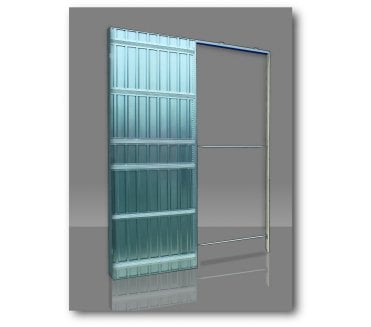
Scrigno S-Tech Quick-Fix Pocket Door Cassette System – For Single Doors
£346.80 inc. VAT
RRP £435.12 inc. VAT | Save 20%
Can germs live on brass door knobs?
Yes, germs can live on brass door knobs, but brass has natural antimicrobial properties that significantly reduce the survival time of bacteria and viruses compared to other materials. This makes brass door handles a popular choice for those concerned about hygiene, as they can help minimise the spread of germs in both homes and public spaces. Although they may cost more than some alternative materials, often ranging from £10 to £50, their durability and hygienic benefits can offer good value for money.
What to do with old brass door handles?
If you have old brass door handles, there are several options for repurposing or disposing of them. One option is to clean and polish them for reuse in your own home or as decorative elements in crafting projects. Alternatively, you can sell them to antique shops or online marketplaces, as they may hold value for collectors or those seeking vintage hardware, potentially fetching anywhere from £5 to £30 each. If they are beyond reuse, you can also take them to a local recycling centre, where the metal can be reclaimed and reused.
Can you scrap brass door knobs?
Yes, you can scrap brass door knobs, as brass is a recyclable material. You can take them to a local scrap metal dealer or recycling centre, where they can be melted down and reused. Scrap brass often fetches a decent price, typically ranging from £2 to £3 per kilogram, depending on the market. Recycling brass not only provides a small financial return but also contributes to environmental sustainability by reducing the need for new raw materials.
Are old brass fixtures worth anything?
Yes, old brass fixtures can be worth something, particularly if they have historical or aesthetic value. Vintage or antique brass items, such as copper grips, might attract collectors or those interested in period restoration projects, potentially selling for anywhere from £10 to £50 or more, depending on their condition and uniqueness. Additionally, brass is a recyclable metal, so even if the fixtures aren’t valuable as antiques, they can still be sold for their scrap value, typically around £2 to £3 per kilogram.
How can you tell if hardware is real brass?
To determine if hardware, such as metallic bars, is real brass, you can perform a few simple tests. First, check the colour: real brass typically has a warm, golden hue. Next, use a magnet to see if it sticks-real brass is non-magnetic, so the magnet should not adhere. You can also look for any visible wear or scratches; if the underlying metal appears silvery, it might be brass-plated rather than solid brass. Finally, try a vinegar test by applying a small amount of vinegar to an inconspicuous area-real brass will tarnish, while brass-plated items may not.
How to update brass door knobs?
Updating brass door knobs can refresh the look of your metallic bars and door hardware without the need for a full replacement. Start by cleaning and polishing them using a brass cleaner to restore their shine. If you prefer a different finish, consider spray painting the door knobs with a paint specifically designed for metal surfaces; options like matte black or brushed nickel can offer a modern touch. Ensure proper ventilation and follow the product instructions for the best results. This simple update can cost anywhere from £10 to £20 for supplies, making it an affordable way to enhance your home’s aesthetic.
Why do people use brass door knobs?
People use brass door knobs for several reasons. Firstly, brass offers a timeless aesthetic that complements both traditional and modern decor styles, making it a popular choice for antique mechanisms and new installations alike. Secondly, brass has natural antimicrobial properties, which help reduce the spread of germs. Its durability ensures long-lasting performance, and it ages gracefully, developing a unique patina over time. Additionally, brass is a recyclable material, aligning with sustainable practices. While brass door knobs might be more expensive than some alternatives, typically ranging from £10 to £50, their benefits often justify the investment.
Is brass out of fashion?
Brass is not out of fashion; in fact, it is enjoying a renewed popularity in both classic and contemporary designs. The warm, golden tones of brass bring a touch of elegance and luxury to spaces, making it a favoured choice for alloy twists and other decorative hardware. Its timeless appeal and versatile nature allow it to seamlessly blend with various styles, from vintage to modern. While trends come and go, brass has proven to be a lasting material, offering both aesthetic charm and functional benefits. Although it can cost slightly more, typically ranging from £10 to £50, many consider it a worthwhile investment for its enduring style.
Do brass door knobs tarnish?
Yes, brass door knobs can tarnish over time due to oxidation, which is a natural process that affects the metal’s surface. This tarnishing can give an antique mechanism a unique patina that some people find appealing. Regular cleaning and polishing with a suitable brass cleaner can help maintain their shine and prevent or reduce tarnishing. If you prefer to avoid tarnish, you can opt for lacquered brass finishes, which provide a protective coating. Despite the potential for tarnish, many choose brass for its classic look and durability.
How to tell if a door knob is brass?
To determine if a door knob is brass, first check its colour; real brass typically has a warm, gold-like hue. Conduct a magnet test-brass is non-magnetic, so a magnet should not stick if the knob is solid brass. Examine any worn areas for a silvery metal beneath, which would indicate brass plating rather than solid brass. Finally, you can apply a small amount of vinegar to a hidden spot; genuine brass will tarnish or darken slightly, whereas a plated surface may not react in the same way. These simple tests can help identify if your alloy twist is made of real brass.
Are brass door knobs coming back?
Yes, brass door knobs are making a comeback in both interior design and architecture. The warm, sophisticated look of brass is being embraced in modern and classic settings alike, as it pairs well with a variety of design styles. The renewed interest is partly due to its timeless appeal and the trend toward incorporating metallic bars and other elements that add a touch of luxury and elegance. Despite sometimes being a bit pricier, typically ranging from £10 to £50, the aesthetic and functional benefits of brass door knobs are attracting homeowners and designers.
How does brass sanitize itself?
Brass sanitises itself through its natural antimicrobial properties, which stem from its copper content. This metal, when in contact with bacteria and viruses, causes a series of chemical reactions that disrupt the cell membranes and destroy the microbes. As a result, metal catches and other brass components can significantly reduce the survival time of pathogens on their surfaces. This self-sanitising ability makes brass a popular choice for high-touch areas, adding to its value despite potentially higher costs compared to other materials.
Can I scrap door knobs?
Yes, you can scrap door knobs, especially if they are made of metal such as brass. Many recycling centres and scrap metal dealers accept metallic bars and components like door knobs, where the metal can be melted down and reused. The value you’ll receive depends on the metal type and current market rates; for instance, brass generally fetches around £2 to £3 per kilogram. Scrapping is an environmentally friendly option that allows you to recycle materials and potentially earn some money.
How do you remove lacquer from brass door handles?
To remove lacquer from brass door handles, start by soaking them in a mixture of warm water and mild detergent to loosen dirt. Once cleaned, place the handles in a pot of boiling water with a small amount of baking soda, which helps dissolve the lacquer. After several minutes, carefully remove the handles and rub them with a soft cloth or nylon brush. For any remaining lacquer, use a lacquer thinner or acetone, applying it with caution and in a well-ventilated area. Once the lacquer is removed, polish the brass handles to restore their shine.
In conclusion, the question Are door knobs still made of brass? invites us to reflect on both tradition and innovation within the sphere of home design. Brass door handles continue to offer a timeless elegance and durability that many modern alternatives strive to replicate. Whether cherished for their antimicrobial properties, their aesthetic appeal, or their historical significance, brass fixtures remain a steadfast choice for many homeowners and designers alike. As design trends evolve, brass maintains its position as a reliable and stylish option, affirming that some classics never truly go out of style.
Discover the timeless appeal and modern advantages of brass door knobs for your home-call Handles4Homes today at 0118 982 9170 to explore our exquisite collection!

Comments are closed here.