

Do Brass Door Handles Tarnish
Understanding Brass Door Handles: Do They Tarnish and How to Preserve Their Shine?
Brass door handles have long been a popular choice in many homes and public buildings, appreciated for their classic aesthetic and durable nature. However, like all materials that are exposed to the elements, they are not immune to the effects of time and use. One common question that arises for homeowners and caretakers alike is whether brass door handles are prone to tarnishing. Understanding the natural properties of brass and how it interacts with environmental factors can provide insights into maintaining its lustrous appearance, ensuring your door handles remain a gleaming feature of any room.
This page supports our content about brass door handles and you can find other in-depth information about Are door knobs still made of brass by following this link or answers to related questions like Why did they use brass door handles if you click here.

To address common concerns and curiosities about the upkeep of these fixtures, the following FAQs provide valuable insights into the maintenance and care of brass door handles.
FEATURED PRODUCTS

FINGERTIP DESIGN
Fingertip Design FTD555 Cup Cabinet Drawer Pull – Satin Nickel
£2.98 inc. VAT
RRP £4.16 inc. VAT | Save 28%

CARLISLE BRASS
Carlisle Brass FTD710 Lines Cabinet Pull Handles – Satin Brass
From £16.12 inc. VAT
RRP £22.56 inc. VAT | Save 29%

NERO
Frelan Nero Knurled Door Handles On Backplate – Matt Black
From £35.15 inc. VAT
RRP £49.21 inc. VAT | Save 29%
SCRINGNO
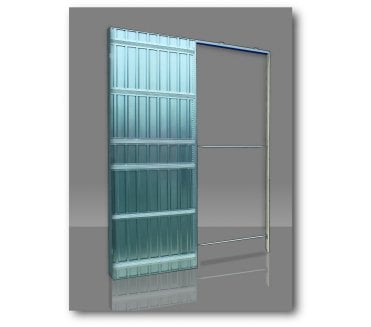
Scrigno S-Tech Quick-Fix Pocket Door Cassette System – For Single Doors
£346.80 inc. VAT
RRP £435.12 inc. VAT | Save 20%
Does WD-40 clean brass?
Yes, WD-40 can be used to clean brass door handles. It helps remove grime and tarnish by loosening surface impurities. To use it, spray a small amount onto a soft cloth, gently rub the brass surface, and then wipe with a clean, dry cloth for a polished finish. However, it’s important to note that while WD-40 can help in cleaning, it doesn’t protect the brass from tarnishing in the long run. For long-term protection, a specialised brass polish may be a better investment, usually costing a few pounds.
Does Coke clean brass?
Yes, Coca-Cola can be used to clean brass door handles due to its mild acidity, which helps break down tarnish and grime. To clean brass with Coke, soak a soft cloth or sponge in the drink and gently rub the brass surface. Afterward, rinse thoroughly with water and dry with a clean cloth. While it’s an inexpensive method that can cost less than a pound, it may not offer the same long-term results as a specialised brass cleaner. For best results, periodic cleaning with a brass polish is recommended to maintain the handle’s shine.
Does toothpaste clean brass?
Yes, toothpaste can be used to clean brass on antique mechanisms. The mild abrasives in toothpaste help remove tarnish without damaging the metal. To use, apply a small amount of non-gel toothpaste to a soft cloth or toothbrush and gently scrub the brass surface. Rinse with warm water and dry thoroughly with a clean cloth. While this is an affordable cleaning method, costing just a few pounds or less, for a more thorough restoration, considering a specialised brass cleaner may be worthwhile.
Is Brasso good for brass?
Yes, Brasso is effective for cleaning and polishing brass door handles. It is a well-known metal polish designed specifically to remove tarnish and restore shine to brass surfaces. To use, apply a small amount of Brasso to a soft cloth, rub it onto the brass surface in circular motions, then buff with a clean, dry cloth to achieve a gleaming finish. A bottle of Brasso typically costs a few pounds and offers a reliable solution for maintaining the lustre of your brass fixtures.
Does ketchup clean brass?
Yes, ketchup can be used to clean brass metal catches due to its acidity, which can help remove tarnish. To use, apply a thin layer of ketchup to the brass surface, let it sit for a few minutes, then scrub gently with a soft cloth or sponge. Rinse thoroughly with water and dry with a clean cloth. While ketchup is an inexpensive option, often costing less than a pound, for more consistent results, using a dedicated brass polish may be preferable.
How to stop brass handles from tarnishing?
To prevent brass door handles from tarnishing, regularly clean them with a soft cloth to remove dirt and oils. Apply a thin layer of a specialised brass polish or sealant, which typically costs a few pounds, to protect the surface and enhance its shine. Additionally, consider using a lacquer coating to create a protective barrier against moisture and air, further reducing the risk of tarnish. Regular upkeep ensures that your brass handles remain beautiful and gleaming over time.
How to clean brass without Brasso?
To clean brass on antique mechanisms without using Brasso, you can make a paste using equal parts of flour, salt, and white vinegar. Apply the paste to the brass surface and let it sit for about 30 minutes. Gently scrub with a soft cloth or toothbrush, then rinse with warm water and dry thoroughly. This method is cost-effective, with ingredients typically costing just a few pounds, while also being gentle enough for antique pieces.
How to clean brass door handles in the UK?
To clean brass door handles with alloy twists in the UK, start by wiping them with a soft, damp cloth to remove surface dust and dirt. For a deeper clean, apply a mixture of equal parts white vinegar, flour, and salt to form a paste. Rub the paste onto the brass, let it sit for 15-30 minutes, then gently scrub with a soft brush. Rinse with warm water and dry thoroughly with a clean cloth. Alternatively, you can use a commercial brass polish, which costs a few pounds, for a more polished finish and lasting protection.
How to restore tarnished brass?
To restore tarnished brass door handles, begin by cleaning them with a soft cloth to remove any surface dirt. For a homemade solution, create a paste using equal parts of white vinegar, salt, and flour. Apply the paste to the tarnished areas and let it sit for about 30 minutes. Gently scrub with a soft brush, rinse with warm water, and dry thoroughly. For more stubborn tarnish, consider using a commercial brass polish, which usually costs a few pounds, to achieve a brighter shine and protect against future tarnish.
Does vinegar tarnish brass?
Vinegar itself does not tarnish brass; instead, it is often used as a gentle cleaning agent to remove tarnish from brass alloy twists. Its mild acidity helps break down oxidation and grime. To use, combine vinegar with equal parts of salt and flour to create a paste, apply it to the brass, let it sit for a few minutes, then gently scrub and rinse off. This method is inexpensive, typically costing just a few pounds, and can help restore shine without causing damage.
Does wd40 tarnish brass?
No, WD-40 does not tarnish brass door handles. Instead, it acts as a cleaner and lubricant, helping to remove grime and some surface tarnish. However, while it can clean brass temporarily, WD-40 does not provide long-term protection against tarnishing. For lasting shine and protection, using a specialised brass polish, costing a few pounds, is recommended.
Does brass turn green when tarnished?
Yes, brass can turn green when tarnished due to a chemical reaction with moisture and air, forming a patina known as verdigris. This is particularly common with brass items like copper grips, as brass is an alloy containing copper. This green layer can be cleaned off using a mixture of vinegar, salt, and flour or a commercial brass cleaner, which generally costs a few pounds. Regular maintenance can help maintain the original appearance of the brass.
How to use Brasso on brass?
To use Brasso on brass metal catches, start by shaking the bottle well. Apply a small amount of Brasso to a soft cloth and gently rub it onto the brass surface in circular motions. Allow it to sit for a minute, then buff it off with a clean, dry cloth until you achieve a bright shine. This process helps remove tarnish and restore the brass’s original lustre. A bottle of Brasso typically costs a few pounds and is an effective solution for maintaining brass items.
How to clean brass door handles with vinegar?
To clean brass door handles with vinegar, especially those on antique mechanisms, make a paste using equal parts white vinegar, salt, and flour. Apply the paste to the brass handles and let it sit for about 30 minutes. Gently scrub with a soft cloth or brush, then rinse with warm water and dry thoroughly with a clean cloth. This method is cost-effective, with ingredients typically costing less than a few pounds, and helps restore shine without damaging the antique finish.
In conclusion, the question Do brass door handles tarnish? brings attention to an important aspect of maintaining the beauty and functionality of these timeless fixtures. While brass does naturally develop a patina over time due to its interaction with environmental elements, proactive care and regular cleaning can preserve its lustre for years to come. By understanding the properties of brass and applying simple maintenance techniques, you can ensure that your door handles continue to add elegance and charm to any space. Whether in historic buildings or modern homes, well-kept brass door handles can be a lasting testament to style and quality.
Discover how to keep your brass door handles looking pristine and shine like new; for expert advice and quality products, contact Handles4Homes at 0118 982 9170 today!

Comments are closed here.