

Why Did They Use Brass Door Handles
Why Brass Door Handles Have Stood the Test of Time
Brass door handles have long been a popular choice in homes and public buildings, but what is it about this material that makes it so appealing? From its durability and pleasing aesthetic to its unique practical properties, brass offers a range of benefits that have influenced its widespread use. In exploring the reasoning behind this choice, we delve into the historical, functional, and even hygienic advantages that make brass a preferred option for door fittings. Whether in the elegant corridors of historic estates or the contemporary confines of modern architecture, the presence of brass door handles is a testament to their enduring desirability and functionality.
This page supports our content about brass door handles and you can find other in-depth information about Do brass door handles tarnish by following this link or answers to related questions like How to restore brass door handles if you click here.

With a rich blend of aesthetic appeal and practical advantages, brass door handles have piqued the interest of many. To further understand their enduring popularity, let’s delve into some frequently asked questions regarding their uses and benefits.
FEATURED PRODUCTS

FINGERTIP DESIGN
Fingertip Design FTD555 Cup Cabinet Drawer Pull – Satin Nickel
£2.98 inc. VAT
RRP £4.16 inc. VAT | Save 28%

CARLISLE BRASS
Carlisle Brass FTD710 Lines Cabinet Pull Handles – Satin Brass
From £16.12 inc. VAT
RRP £22.56 inc. VAT | Save 29%

NERO
Frelan Nero Knurled Door Handles On Backplate – Matt Black
From £35.15 inc. VAT
RRP £49.21 inc. VAT | Save 29%
SCRINGNO
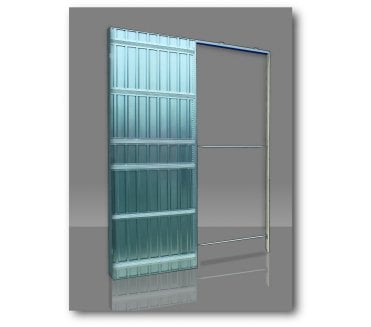
Scrigno S-Tech Quick-Fix Pocket Door Cassette System – For Single Doors
£346.80 inc. VAT
RRP £435.12 inc. VAT | Save 20%
How can you tell if a door handle is brass?
To determine if a door handle is brass, start by checking its weight, as brass handles tend to be heavier due to the density of the material. Next, look for a yellowish-gold colour, which is characteristic of brass. You can also scratch the surface lightly with a tool or coin in an inconspicuous area; if the scratch reveals a shiny, yellow metal beneath, it’s likely brass. Additionally, inspect for any markings or inscriptions, as antique brass handles often have hallmarks that indicate their authenticity or origin. If still unsure, consult a professional appraiser, as they can provide a detailed analysis; this can cost around £50 to £100, depending on the extent of evaluation required.
Why are British doorknobs in the middle?
British doorknobs are traditionally placed in the middle of the door because older British homes often used rim locks, which required the knob to be centrally located to operate the mechanism effectively. This placement provided a consistent and balanced design aesthetic and allowed for easy operation of the door. Although modern mechanisms allow for different placements, some doors continue to use this configuration for historical accuracy and architectural preservation. If you’re looking to maintain this traditional style, metal catches and specific door hardware can generally be sourced, costing between £20 and £50, depending on the quality and design.
Can bacteria grow on brass?
Bacteria struggle to grow on brass surfaces due to the metal’s antimicrobial properties. Brass, which is an alloy of copper and zinc, can help kill bacteria upon contact, a process known as the oligodynamic effect. This makes brass door handles a popular choice in public and domestic settings where hygiene is a concern. Although initially more expensive than some other materials, with brass door handles typically costing between £15 and £30, their ability to reduce bacterial presence can add long-term value by contributing to a healthier environment.
Why are brass door knobs self sanitizing?
Brass door knobs are considered self-sanitising because they contain copper, which has natural antimicrobial properties. The copper ions in brass can disrupt the cell membranes of bacteria and other microbes, effectively killing them upon contact. This process, known as the oligodynamic effect, helps reduce the spread of germs and makes copper grips a hygienic choice for door hardware. Although brass knobs might cost slightly more, usually between £15 and £30, their self-sanitising feature can offer peace of mind and contribute to a cleaner environment.
Is brass good for door handles?
Yes, brass is an excellent material for door handles. Brass door handles are valued for their durability, corrosion resistance, and appealing aesthetic. Additionally, their natural antimicrobial properties help reduce the spread of germs, making them a hygienic choice. While brass handles may carry a higher upfront cost, typically ranging from £15 to £30, their longevity and self-sanitising nature make them a worthwhile investment for both homes and public spaces.
Why are French door knobs in the middle?
French door knobs are placed in the middle of the door mainly for design and practicality. This central placement is traditional and allows for an even operation and aesthetic balance, particularly on double doors where symmetry is essential. When using brass door handles in this configuration, homeowners can benefit from their durability and antimicrobial properties. Though slightly more expensive, with a typical range of £15 to £30, brass handles provide both functional and decorative advantages.
What are cheap doorknobs made of?
Cheap doorknobs are typically made from materials like aluminium, zinc alloys (such as Zamak), or plastic. These materials are chosen for their cost-effectiveness, as they are less expensive to produce than solid brass or other premium metals. While these materials might offer a more affordable option, often ranging from £5 to £15, they may not provide the same durability or aesthetic appeal as higher-end antique mechanisms made of brass or other quality materials.
Are brass handles in style?
Yes, brass handles are very much in style. Brass door handles are appreciated for their timeless elegance and versatility, fitting well with both traditional and contemporary interiors. Their warm tone and durability add a touch of sophistication, making them a popular choice for modern renovations and restorations alike. While prices can vary, quality brass handles usually range from £15 to £30, combining both style and functionality.
Why do factories make door handles from brass?
Factories produce door handles from brass due to its durability, corrosion resistance, and aesthetic appeal. Brass also has natural antimicrobial properties, making it a hygienic choice for high-touch surfaces. The warm, attractive finish of brass complements various interior styles, adding to its popularity. Although brass handles may have a higher upfront cost, typically ranging from £15 to £30, their long-lasting quality and self-sanitising benefits make them a preferred material for manufacturing metal catches and door hardware.
Do brass door handles rust?
No, brass door handles do not rust. Brass is an alloy of copper and zinc, and it does not contain iron, which is the element that causes rust. Instead, brass may develop a tarnished patina over time due to oxidation, which many people find attractive. This makes brass a durable choice for metal catches and door hardware, maintaining both functionality and visual appeal over years of use, typically costing between £15 and £30.
Are old door knobs made of brass?
Yes, many old door knobs are made of brass. Brass has been a popular material for door hardware historically due to its durability, corrosion resistance, and appealing finish. Antique brass door handles are often valued for their classic look and the patina they develop over time. While modern reproductions can cost between £15 and £30, original antique brass handles may have additional value due to their age and craftsmanship.
Are brass handles safe?
Yes, brass handles are safe. Beyond their durability and aesthetic appeal, brass handles are naturally antimicrobial, which helps reduce the spread of germs-a feature particularly beneficial for high-touch areas. This makes them a safe choice for both modern and antique mechanisms. While they can range from £15 to £30 for contemporary designs, antique brass handles may be valued higher due to their historical significance and craftsmanship.
Is brass antibacterial?
Yes, brass is antibacterial. It contains copper, which has natural antimicrobial properties that help kill bacteria and other microbes on contact. This makes brass an excellent choice for metal catches and door hardware, as it can reduce the spread of germs in frequently touched areas. While brass products may cost more upfront, typically between £15 and £30, their antibacterial properties offer added hygienic benefits.
Is polished brass antimicrobial?
Yes, polished brass is antimicrobial. Like other forms of brass, polished brass contains copper, which has natural antimicrobial properties that help kill bacteria and other microbes on contact. This characteristic makes polished brass door handles a hygienic choice for homes and public spaces, combining both aesthetic appeal and health benefits. Although polished brass handles may be priced between £15 and £30, their antimicrobial properties make them a worthwhile investment.
In conclusion, the question Why did they use brass door handles? illuminates a fascinating convergence of history, functionality, and design. Brass stands out not only for its durability and low maintenance but also for its antimicrobial properties, making it a wise choice in both historical and modern contexts. Whether enhancing the charm of a vintage home or providing durability and hygiene in a busy public space, brass door handles continue to prove their worth. As we appreciate the elegance and practicality of this material, it becomes clear why brass remains a steadfast choice for door fittings across the UK and beyond.
Discover the timeless appeal and benefits of brass door handles for your home by contacting Handles4Homes today at 0118 982 9170 to explore our extensive collection and speak with our knowledgeable team!

Comments are closed here.