

Are Doorknobs Still Made Of Brass
Balancing Tradition and Innovation: Are Doorknobs Still Made of Brass?
In an era where design meets functionality, the humble doorknob stands as a testament to both style and utility. As we navigate through a world of ever-evolving materials and technologies, one might ponder whether traditional elements still hold their rightful place in our homes. Brass, renowned for its classic appeal and antimicrobial properties, has long been a favoured choice for doorknobs. But as trends shift and priorities change, do we still reach for this timeless alloy, or have modern innovations taken its place? Exploring the current landscape of doorknob materials reveals fascinating insights into our aesthetic and practical preferences.
This page supports our content about metal catches and you can find other in-depth information about Are brass fixtures dated by following this link or answers to related questions like Does brass hold bacteria if you click here.

As we delve deeper into the topic, it’s crucial to consider not just the materials, but also the complementary elements like metal catches, which play a significant role in the functionality and design of doors.
FEATURED PRODUCTS

FINGERTIP DESIGN
Fingertip Design FTD555 Cup Cabinet Drawer Pull – Satin Nickel
£2.98 inc. VAT
RRP £4.16 inc. VAT | Save 28%

CARLISLE BRASS
Carlisle Brass FTD710 Lines Cabinet Pull Handles – Satin Brass
From £16.12 inc. VAT
RRP £22.56 inc. VAT | Save 29%

NERO
Frelan Nero Knurled Door Handles On Backplate – Matt Black
From £35.15 inc. VAT
RRP £49.21 inc. VAT | Save 29%
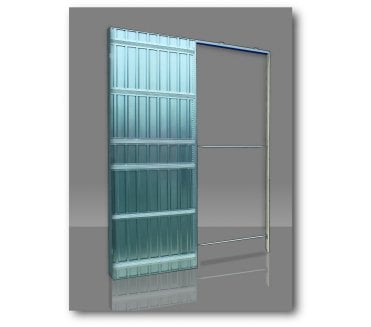
SCRINGNO
Scrigno S-Tech Quick-Fix Pocket Door Cassette System – For Single Doors
£346.80 inc. VAT
RRP £435.12 inc. VAT | Save 20%
Why are brass door knobs self-sanitizing?
Brass doorknobs are considered self-sanitising due to the antimicrobial properties of the copper in the alloy. Copper ions in brass interact with bacterial and viral cells, disrupting their cell walls and ultimately killing them. This natural ability helps reduce the transfer of germs, making brass an appealing choice for hygiene-conscious environments. While brass doorknobs might be slightly more expensive than some alternatives, costing around £15 to £30 or more, many find their self-sanitising benefits and classic appeal well worth the investment.
Why are hospital door handles different?
Hospital door handles are different because they are designed with hygiene and safety as top priorities. Materials such as stainless steel and copper alloys, both known for their antimicrobial properties, are commonly used to help minimise the spread of infections. Additionally, hospital door handles often have smooth and simple designs for easy cleaning and maintenance. Some may include coatings or finishes that further enhance antimicrobial efficacy. These specialised designs, which may cost more than standard options, reflect the critical importance of maintaining a sterile environment within healthcare settings.
Are brass door knobs coming back in style?
Yes, brass door knobs are experiencing a resurgence in popularity as they bring a touch of timeless elegance and warmth to modern interiors. Their classic appeal, coupled with the growing appreciation for vintage and retro design elements, has contributed to their comeback. Additionally, the antimicrobial properties of brass make them a practical choice for hygiene-conscious homeowners. While brass door knobs can vary in price, they typically range from around £15 to £50 or more, depending on design and quality. Many find this investment worthwhile for their style and functional benefits.
Why were door knobs in the middle of doors?
Historically, door knobs were placed in the middle of doors, especially in larger and heavier doors, to evenly distribute the force needed to open the door and to achieve a balanced aesthetic. This central positioning was particularly common in older architectural styles and grand entrances. Using materials like copper for the knobs and grips added durability and an appealing look. Although this design is less common today, it occasionally still appears in certain traditional or vintage-inspired homes. The cost of such bespoke door designs with sturdy copper grips can vary widely, typically starting at around £50 and reaching into the hundreds, depending on the craftsmanship and materials used.
Does brass self-sanitize?
Yes, brass does have self-sanitising properties due to the presence of copper in its composition. Copper ions can disrupt and kill bacteria, viruses, and fungi upon contact by breaking down their cell membranes. This natural antimicrobial property makes brass a desirable material for frequently touched surfaces, such as antique mechanisms and fixtures, helping to reduce the spread of germs. While brass items can range in price, their self-sanitising benefit adds to their appeal, often justifying an investment of around £20 to £50 or more, depending on the design and craftsmanship.
In conclusion, the question of Are doorknobs still made of brass? opens up a broader discussion about our ongoing relationship with materials that combine tradition and modernity. While brass remains a popular choice for its aesthetic and functional benefits, contemporary innovations present a wide range of alternatives. From sleek stainless steel to cutting-edge smart home integration, today’s market offers doorknobs that cater to every style and need. As we continue to balance heritage with innovation, the decisions we make about elements like doorknobs and metal catches will undoubtedly reflect our unique preferences and the evolving trends of design and practicality.
Discover the timeless elegance and modern alternatives of brass doorknobs at Handles4Homes. Call us today at 0118 982 9170 to explore our extensive selection and find the perfect fit for your home!

Comments are closed here.