

Does Brass Hold Bacteria
Exploring the Antimicrobial Benefits of Brass: Does It Hold Bacteria?
Brass, with its warm golden hue and historical allure, is found in everything from musical instruments to architectural fittings. As its elegant sheen graces various surfaces in our daily environment, an intriguing question arises: does this copper alloy, known for its durability and aesthetic appeal, support or hinder the survival of bacteria? Understanding the interaction between brass and bacteria not only fascinates from a scientific perspective but also holds practical significance for its usage in public spaces and hygiene-sensitive settings. Let’s delve into the properties of brass and explore its potential role as a guardian against microbial invaders.
This page supports our content about brass door handles and you can find other in-depth information about Are doorknobs still made of brass by following this link or answers to related questions like How do you protect brass door handles if you click here.

With a deeper understanding of how brass interacts with bacteria, we can better appreciate its applications in everyday objects, such as brass door handles, which are commonly used for their potential antimicrobial benefits.
FEATURED PRODUCTS

FINGERTIP DESIGN
Fingertip Design FTD555 Cup Cabinet Drawer Pull – Satin Nickel
£2.98 inc. VAT
RRP £4.16 inc. VAT | Save 28%

CARLISLE BRASS
Carlisle Brass FTD710 Lines Cabinet Pull Handles – Satin Brass
From £16.12 inc. VAT
RRP £22.56 inc. VAT | Save 29%

NERO
Frelan Nero Knurled Door Handles On Backplate – Matt Black
From £35.15 inc. VAT
RRP £49.21 inc. VAT | Save 29%
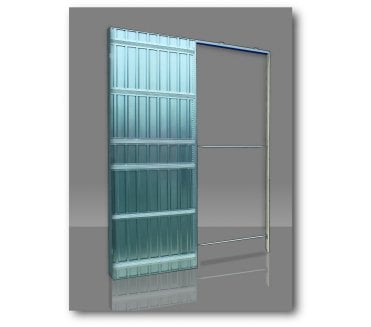
SCRINGNO
Scrigno S-Tech Quick-Fix Pocket Door Cassette System – For Single Doors
£346.80 inc. VAT
RRP £435.12 inc. VAT | Save 20%
Is brass safe for the human body?
Brass is generally considered safe for the human body in many applications, such as in jewellery and decorative items. However, like many metal alloys, it can cause skin irritation in some individuals, particularly those with metal sensitivities or allergies. It’s always a good idea to ensure that any brass items worn against the skin are made from high-quality materials and, if necessary, to consult with a dermatologist. If you’re considering jewellery twists made from brass, it’s advisable to look for options that mention a protective coating or alloying elements that minimise skin reactions, ensuring both safety and comfort, typically available in the range of £20 to £50.
Is brass toxic to wear?
Brass is generally not toxic to wear, making it a popular choice for both decorative items and functional applications like door handles. While most people can handle brass without issue, a small number of individuals with metal sensitivities might experience mild skin irritation upon direct and prolonged contact. For those concerned about potential reactions, it’s advisable to ensure that brass door handles are of high quality, possibly coated to prevent direct contact with the skin, typically priced between £20 to £50.
Are brass handles self-sanitizing?
Brass handles are often considered self-sanitising due to the antimicrobial properties of copper, a key component of brass. This means they can naturally reduce the presence of certain bacteria over time, making them a hygienic choice for door handles. While not a substitute for regular cleaning, brass handles can contribute to a cleaner environment, typically available for £20 to £50.
Is brass bad for your skin?
For most people, brass is not bad for the skin and is generally safe to touch, making it a popular material for door handles. However, a small number of individuals with metal sensitivities may experience skin irritation with direct contact. If you have sensitive skin, consider brass door handles with a protective coating, which are typically available in the range of £20 to £50.
Are brass handles toxic?
Brass handles are generally not toxic, which makes them safe for regular use in items like door grips. Since brass is an alloy of copper and zinc, the copper component can even offer antimicrobial benefits. If you’re considering copper grips, they are typically safe and available in the range of £20 to £50.
Does brass leach into food?
Brass can leach small amounts of metals like zinc and copper into food if used in cookware, especially with acidic foods. However, when discussing items like metallic bars for decorative or structural purposes, this concern is generally not relevant. For non-cooking applications, brass is safe to use and typically costs between £20 to £50 per piece.
Does brass react with skin?
Brass generally does not react adversely with skin, making it a suitable material for door handles. However, a small number of individuals with metal sensitivities may experience minor skin irritation from prolonged contact. If this is a concern, consider brass door handles with a protective coating, typically priced between £20 to £50.
Are brass doorknobs more sanitary?
Yes, brass doorknobs are considered more sanitary because the copper content in brass has natural antimicrobial properties, which can help reduce the presence of bacteria over time. While they should still be cleaned regularly, brass door handles offer an added hygienic benefit, typically available in the range of £20 to £50.
Does brass degrade DNA?
There is no evidence to suggest that brass directly degrades DNA when used in applications like door handles. In fact, brass’s antimicrobial properties focus on reducing bacteria, not affecting genetic material. Brass door handles are durable and hygienic, typically priced between £20 to £50.
Why is brass not used?
Brass may not be used in some antique mechanisms due to its potential for tarnishing and the need for regular maintenance to retain its appearance. Additionally, while brass is durable, certain applications might require materials with higher strength or corrosion resistance. Despite these factors, brass remains valued for its aesthetic appeal in antiques, typically priced based on the item’s age and craftsmanship, often exceeding £50.
Is brass a toxic metal?
Brass is not considered a toxic metal when used in products like door handles. It is safe for everyday contact, and its copper component can offer antimicrobial benefits. Brass door handles are a popular choice for their durability and aesthetic appeal, typically priced between £20 to £50.
Why are door knobs made out of brass?
Door knobs are often made out of brass because this material is durable, resistant to corrosion, and offers antimicrobial properties due to its copper content, making it a hygienic choice. Additionally, brass has an attractive appearance that suits various decor styles. Brass door handles typically cost between £20 to £50.
Is brass a good disinfectant?
Brass can be considered a good disinfectant due to its copper content, which has natural antimicrobial properties that help reduce bacterial presence on surfaces. This makes it a practical choice for metal catches in environments where hygiene is important. Metal catches made of brass are typically priced between £20 to £50.
Is brass OK on the skin?
Brass is generally safe on skin for most people, even in antique mechanisms. However, those with metal sensitivities might experience minor irritation. If concerned, it’s advisable to limit prolonged contact. Antique brass items can vary widely in price, often exceeding £50 based on rarity and craftsmanship.
Is brass skin-friendly?
Brass is generally skin-friendly for most people, making it a suitable material for door handles. However, individuals with metal sensitivities may experience mild irritation from prolonged contact. Brass door handles typically range from £20 to £50.
Does brass automatically disinfect itself?
Brass has natural antimicrobial properties due to its copper content, which can help reduce bacteria and other microbes over time. While this makes brass door handles relatively self-sanitising, they should still be cleaned regularly for optimal hygiene. Brass door handles are typically priced between £20 and £50.
In conclusion, the question Does brass hold bacteria? opens a fascinating exploration into the material’s unique properties and practical applications. Brass, known for its historical significance and visual appeal, offers potential antimicrobial benefits that are particularly valuable in public and hygiene-sensitive environments. From our findings, it appears that brass can indeed play an active role in reducing bacterial presence, making it a wise choice for frequently touched surfaces like door handles. As we continue to learn more about the interaction between metals and microbes, brass remains an intriguing and valuable material in both scientific research and everyday applications.
Discover how our range of brass door handles can contribute to a cleaner, more hygienic living space-call Handles4Homes today at 0118 982 9170 to learn more about the antimicrobial benefits of brass!

Comments are closed here.